Food that gets tossed, quality that varies, an overloaded crew
In a restaurant, handling food well is both money and brand: every prepared ingredient counts, keeping quality consistent across every shift is demanding, and the team has to remember everything in the middle of the service rush. That's where Arcos Dorados' challenge began.
A tool that cuts waste, keeps quality steady and eases the crew's mental load — without adding steps to their work.
So each step reflected the crew's real needs, we worked right in the kitchen:
- /Direct observation in restaurants, watching the real operation.
- /Interviews with key players in the crew's day to day.
- /Meetings with business owners to align decisions.
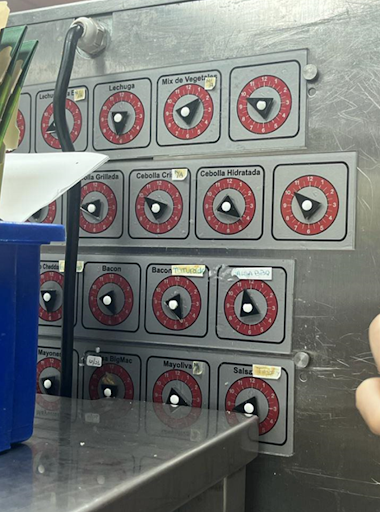
The manual timers the crew used to track each product's timing: the starting point the new system came to organize.
"Their ability to solve problems efficiently has been exceptional. On top of that, their visits to the restaurants and offices showed real commitment and dedication that we truly appreciate on the team. It's been a great experience to see how every necessary point was addressed decisively."
We mapped the food's entire journey
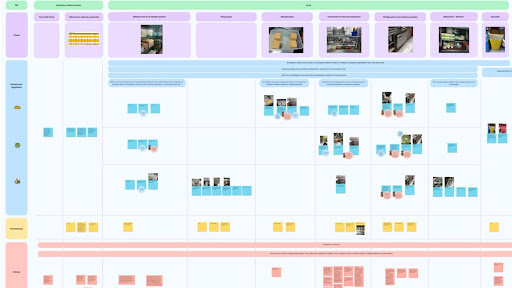
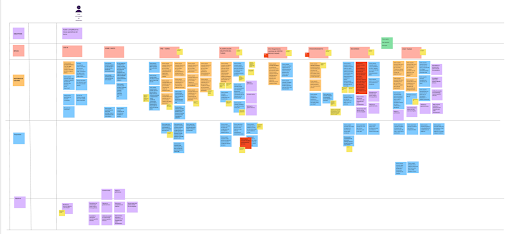
We drew, step by step, how food moves through the restaurant: from arriving at storage to leaving on the tray. Seeing it whole, on a single map, made it clear where time and quality were being lost, and where a digital tool could change things.
We tested many ideas before spending on development
In short sessions with the team we put several solution ideas on the table in a matter of hours, not weeks. Together we chose the most promising ones and turned them into first mockups to bring to the restaurant. That way we discarded what didn't work early, when fixing it is still cheap.
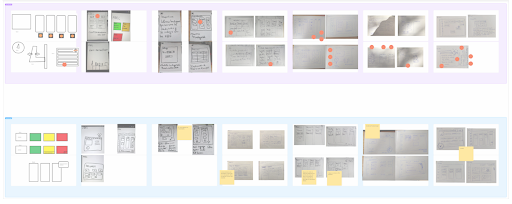
"We valued the approach taken for our project. Being able to validate and iterate the designs from the start was an incredibly valuable experience. It helped us move forward without having to go back and redo work, which definitely improved the final quality of the product. The methodology SHIFTA proposed proved effective."
We defined what the first version had to do
With the business owners at the same table, we agreed on which features were essential for the first version and which could wait. Launching with the essentials, no extra features, let us reach the real kitchen sooner and with everyone aligned on what would be delivered.
We put it in the hands of the real crew
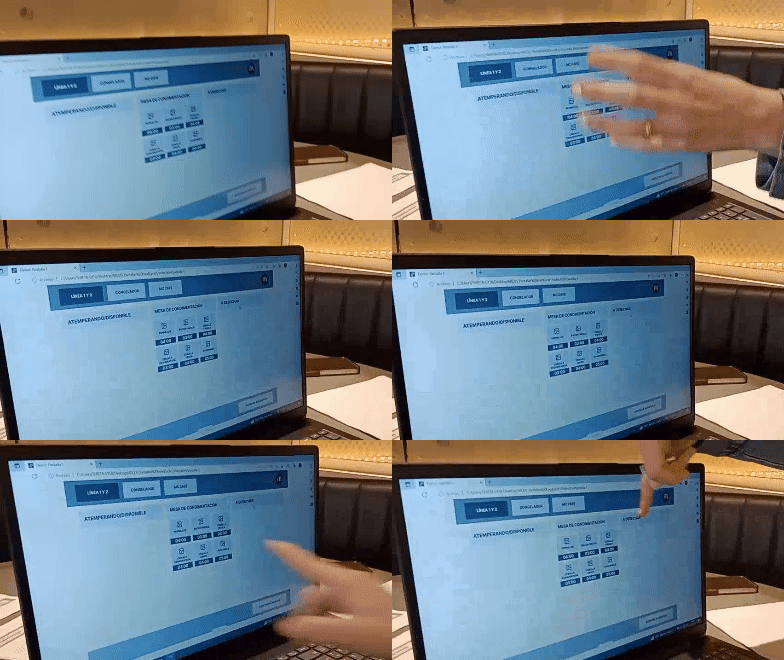
At every stage we tested it with the people who would use it every day, in their own kitchen. That gave us:
the users' perspective in the process.
what worked and what didn't before investing in development, reducing risk.
what the team really expected from this new way of working.
Each test let us adjust the solution until we hit its best version before building it. No surprises or costly rework down the line.
From pilot to operation
We started with a pilot restaurant. Compared to the kitchen timers used until then, product handling gained in quality, and the crew adopted the tool with a good reception. A sign that it solved a real problem, not that it added one more screen.
The next step is to roll it out to the rest of the locations, to carry that improvement — in waste, quality and team satisfaction — across the whole operation.
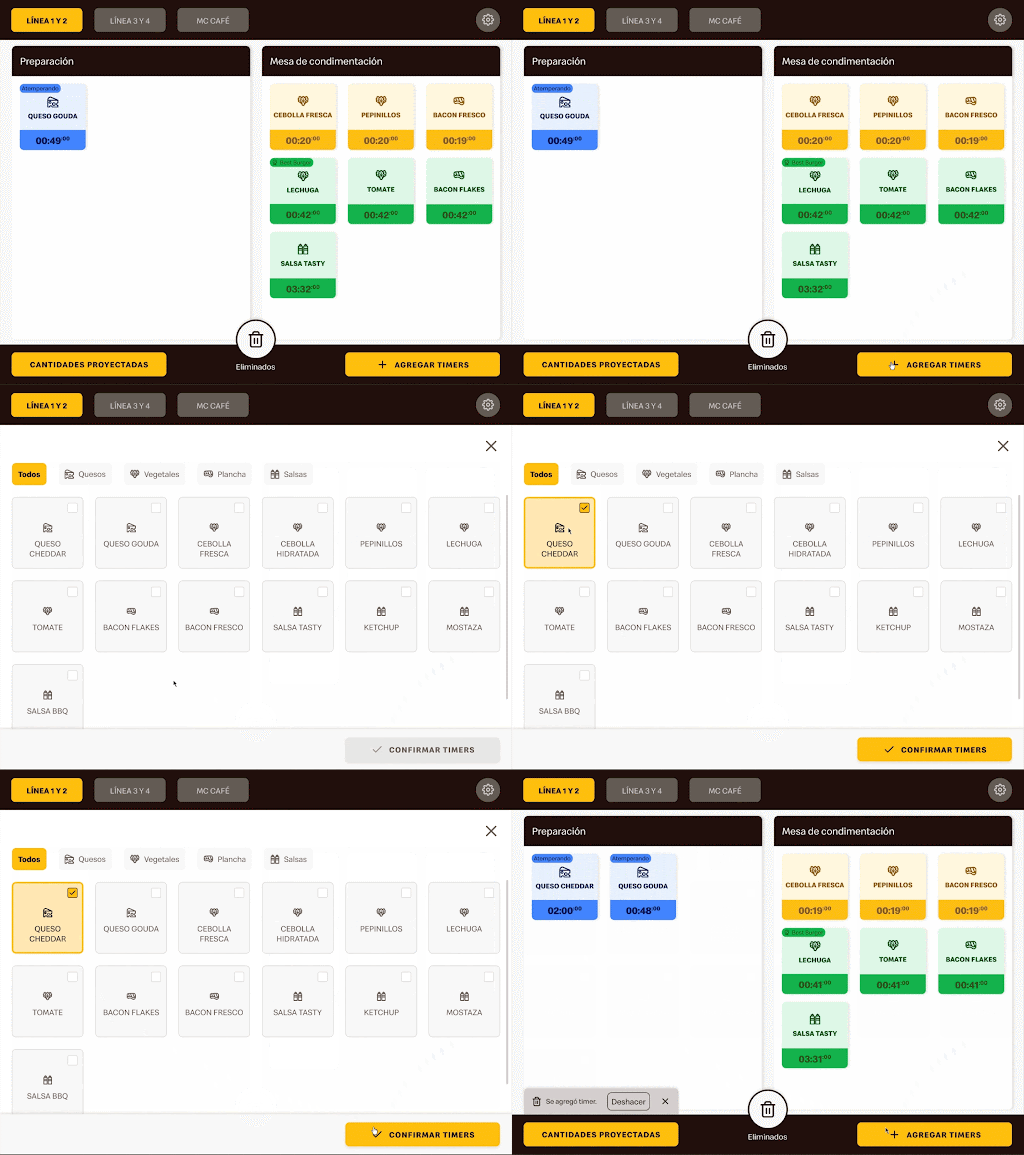
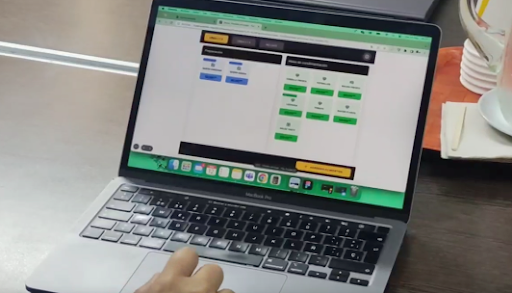
The final product: preparation and coordination station, in the client's environment.
- /Food waste
- /Product quality
- /Team satisfaction
Beyond the technology, what changed is how the day-to-day works in the kitchen. A good example of how a well-executed idea improves both the internal operation and what the end customer receives at the same time. Our way to make SHIFT happen.
- /Food-handling journey
- /Interview findings
- /Collaborative prototyping sessions
- /Low-fidelity mockups
- /Story mapping
- /Test results
- /Screens iterated from the tests
- /UI kit
- /High-fidelity screens
- /Interactive prototypes for usability testing
- /Architecture design for integration with the client's system
- /Mocked-up screens
- /Product with all defined features
- /Product deployed in the client's environment
- /Process log report
- /Improvement proposals for next stages
- /Knowledge transfer