The questions all started falling the same way.
"Fede, where does this come from?" "Fede, why isn't it pulling that data?"
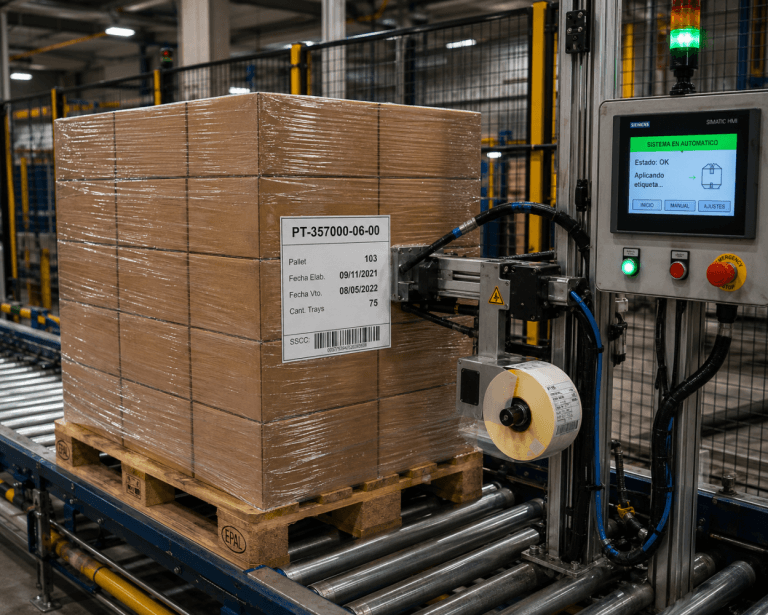
We were in a meeting trying to figure out what was going on with the new labeling system for the dulce de leche pallets.
Fede was there for a clear reason: he had worked on that system before. If something wasn't working, he was the one most likely to unblock it fast. And that, without anyone saying it, made him the whole team's point of support.
But as we moved forward, the problem stopped being a one-off. Simpler, more repetitive questions started coming up.
How the flow was triggered. Which system talked to which. Why some things didn't add up. And every one of those questions came back to the same place: Federico. Not because no one else could understand it, but because the fastest answer always came from Fede.
At one point, we stopped. And he thought of trying something that, in fact, brought that meeting to a definitive end.
Instead of keeping on answering from memory, he did something different. "Let's try the agent." This wasn't just another test. It was changing the way we were solving the problem.
It was something we had been building internally, trained on the system's documentation, designed precisely for this kind of situation. The answers started coming. Clear. Step by step. Just the way Fede always answered.
And what changed wasn't just the speed. The team could move forward without having to run everything through him. Questions got resolved on the spot, without stopping the conversation, and there was no longer any need to wait for someone to validate each step.
The problem was never not having someone who knew. It was depending on that person.
The agent didn't replace Fede. It did something more important: it turned what he knew into something available the moment the team needed it.
It wasn't just having documentation at hand. It's being able to use it when it's needed, in the middle of the problem, in natural language and step by step.
Because AI doesn't add information. It makes the knowledge that already exists actually usable.
Now Fede can spend more time on new initiatives, while the team gets answers instantly and the operation keeps flowing. And the dulce de leche leaves the factory on time and in good shape… straight to your toast.
Everyone wins.
So the question changes: how many key people today are busy solving the operational stuff, instead of focusing on what really moves the business?